Day2: How DevOps Boosts Software Development(SDLC)
I'm an experienced professional with expertise in the 𝗖𝗹𝗼𝘂𝗱 𝗮𝗻𝗱 𝗜𝗻𝗳𝗿𝗮𝘀𝘁𝗿𝘂𝗰𝘁𝘂𝗿𝗲 𝗱𝗼𝗺𝗮𝗶𝗻 𝘄𝗶𝘁𝗵 𝗼𝘃𝗲𝗿 𝟰 𝘆𝗲𝗮𝗿𝘀. As an Infrastructure Management Tech, I am well-versed in 𝗔𝘂𝘁𝗼𝗺𝗮𝘁𝗶𝗼𝗻, 𝗖𝗼𝗻𝘁𝗶𝗻𝘂𝗼𝘂𝘀 𝗜𝗻𝘁𝗲𝗴𝗿𝗮𝘁𝗶𝗼𝗻, 𝗮𝗻𝗱 𝗗𝗲𝗽𝗹𝗼𝘆𝗺𝗲𝗻𝘁.
🙂 In addition to 𝗺𝗲𝗻𝘁𝗼𝗿𝗶𝗻𝗴, I create 𝗧𝗲𝗰𝗵𝗻𝗶𝗰𝗮𝗹 𝗰𝗼𝗻𝘁𝗲𝗻𝘁 daily, ensuring that valuable knowledge is accessible 𝐭𝐨 𝐚 wide audience. I believe in 𝗰𝗼𝗻𝘁𝗶𝗻𝘂𝗼𝘂𝘀 𝗹𝗲𝗮𝗿𝗻𝗶𝗻𝗴 𝗮𝗻𝗱 𝗱𝗲𝘃𝗲𝗹𝗼𝗽𝗺𝗲𝗻𝘁 to keep myself up-to-date and up-skilled is the solution to modern-day application development.
𝗞𝗲𝘆 𝗦𝗸𝗶𝗹𝗹𝘀: 𝙇𝙞𝙣𝙪𝙭 𝘼𝙒𝙎 𝘿𝙤𝙘𝙠𝙚𝙧 𝙂𝙞𝙩 𝙖𝙣𝙙 𝙂𝙞𝙩𝙃𝙪𝙗 𝙆𝙪𝙗𝙚𝙧𝙣𝙚𝙩𝙚𝙨 𝘼𝙣𝙨𝙞𝙗𝙡𝙚 𝙏𝙚𝙧𝙧𝙖𝙛𝙤𝙧𝙢 𝙋𝙮𝙩𝙝𝙤𝙣 𝙅𝙚𝙣𝙠𝙞𝙣𝙨 𝙂𝙚𝙣 𝘼𝙄
𝐄𝐦𝐚𝐢𝐥: 𝗴𝗼𝘂𝘀.𝘀𝗮𝘆𝘆𝗮𝗱𝟯𝟬@𝗴𝗺𝗮𝗶𝗹.𝗰𝗼𝗺
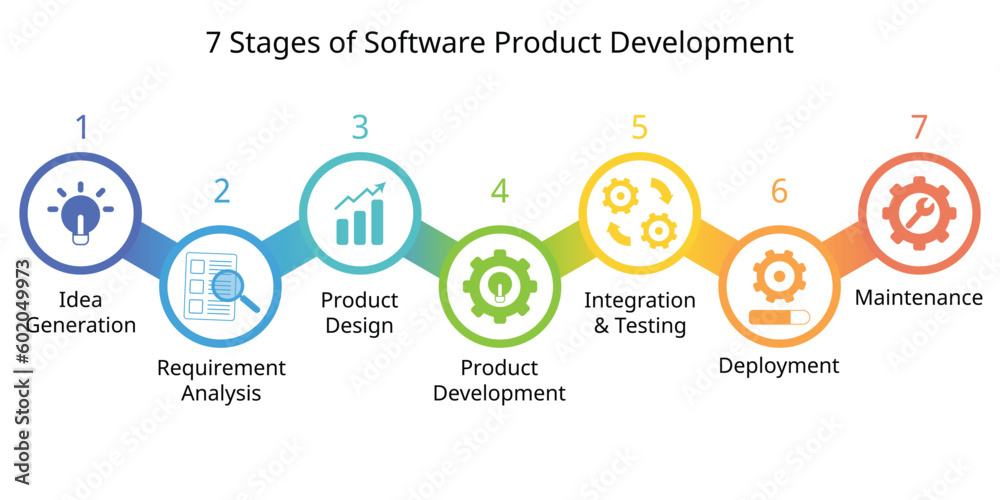
DevOps is a set of practices that promotes collaboration and communication between software development (Dev) and IT operations (Ops) teams to automate and streamline the software development and delivery processes. Integrating DevOps into the Software Development Life Cycle (SDLC) can significantly improve the efficiency, quality, and speed of software development.
Here's how DevOps fits into the various phases of the SDLC:
Planning Phase:
DevOps emphasizes collaboration from the outset, ensuring that development and operations teams work together to define requirements, set objectives, and plan for the entire development cycle.
Teams can use collaborative tools to manage project planning and prioritize features, ensuring that everyone is on the same page from the beginning.
Development Phase:
Developers write code according to the defined requirements, following best practices such as code review, coding standards, and version control (e.g., Git).
DevOps encourages automation of the build process, using continuous integration (CI) pipelines to regularly integrate code changes and run automated tests.
Automated testing tools ensure code quality and identify issues early in the development process.
Testing Phase:
Automated testing is a crucial aspect of DevOps. Continuous testing is performed during the development phase, reducing the need for extensive manual testing in the testing phase.
Testing environments are managed as code using Infrastructure as Code (IaC) tools, ensuring consistency and reproducibility.
Deployment Phase:
DevOps promotes continuous delivery and deployment, allowing for automated and frequent releases of software.
Deployment pipelines automate the deployment process, including provisioning and configuring resources, leading to consistent and reliable deployments.
Techniques like canary releases and blue-green deployments are used to minimize the risk associated with deploying new versions.
Monitoring and Feedback Phase:
Continuous monitoring and feedback are core principles of DevOps. Real-time monitoring tools help operations teams identify issues in production, while feedback loops between Dev and Ops facilitate rapid issue resolution and continuous improvement.
Logs, metrics, and user feedback are analyzed to identify areas for improvement in the software and deployment processes.
Maintenance and Scaling Phase:
DevOps practices support the ongoing maintenance of the application. Automation tools help with patch management, system scaling, and resource allocation.
Infrastructure and application scaling can be automated, ensuring that the system adapts to changing workloads.
Continuous Improvement:
- DevOps encourages a culture of continuous improvement through regular retrospectives and post-mortems. Teams identify what went well and what didn't in each release cycle and use this feedback to make incremental improvements.
By integrating DevOps practices into the SDLC, development and operations teams can work together seamlessly, leading to shorter development cycles, increased deployment frequency, improved code quality, and greater overall efficiency. This results in delivering better software products to end-users more rapidly and with fewer errors.


